
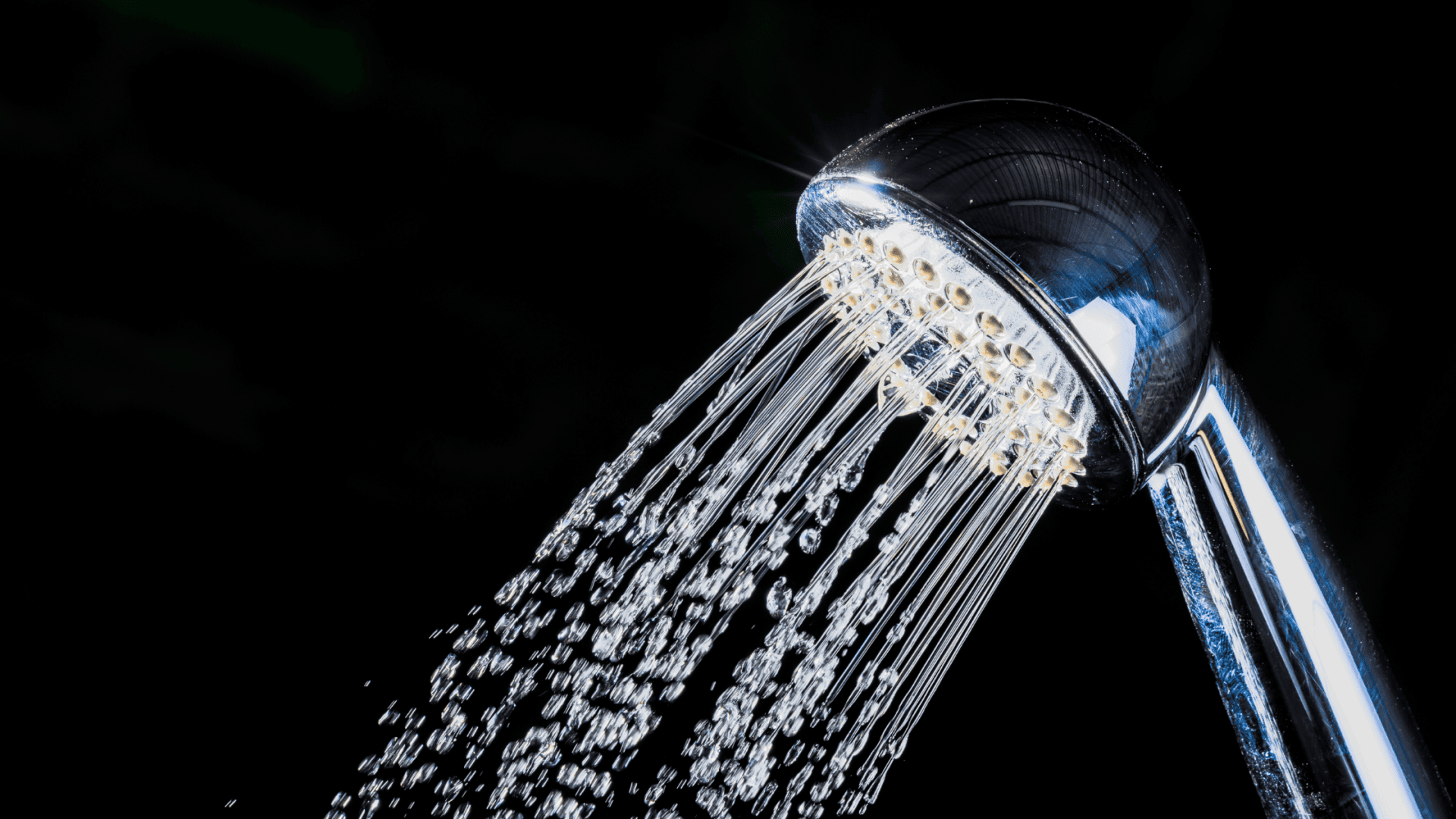
You turn on the shower expecting a steady stream of water, but instead you’re met with a weak trickle. Or maybe the kitchen faucet suddenly doesn’t have the same pressure it did a few days ago.
Low water pressure can be frustrating, but it can also be an important warning sign that something is happening within your plumbing system.
Sometimes, the cause is as simple as buildup inside a faucet aerator. Other times, a sudden drop in water pressure can point to a leak, mineral buildup inside your pipes, a failing plumbing component, or another issue that requires professional attention.
At Armor Plumbing, we help homeowners and businesses throughout Ventura County diagnose low water pressure and other plumbing problems so they can address the underlying issue, not just the symptom.
What Causes Low Water Pressure?
Water pressure can decrease for several reasons, which is why identifying where the problem is occurring is an important first step.
Some common causes of low water pressure include:
- Mineral buildup inside pipes
- Clogged faucet aerators or showerheads
- Plumbing leaks
- Partially closed valves
- Aging or corroded pipes
- Problems with a pressure regulator
- Issues affecting the main water supply
The location and severity of the pressure problem can provide clues about what may be causing it.
For example, low pressure at a single faucet may indicate a problem with that particular fixture. If multiple faucets, showers, and appliances throughout the property suddenly have weak water pressure, the issue may be deeper within the plumbing system.
Can Mineral Buildup Reduce Water Pressure?
Yes. Over time, minerals and other deposits can accumulate inside plumbing lines and fixtures.
As buildup develops, the interior opening of the pipe can become narrower. Less space for water to travel through can result in reduced flow and noticeable changes in water pressure.
This can be especially important to consider in older plumbing systems where buildup or corrosion may have developed over many years.
If buildup is suspected, a professional plumber can evaluate the system and determine the appropriate next step.
Could Low Water Pressure Mean You Have a Leak?
A plumbing leak can also cause water pressure to drop.
When water escapes somewhere along the plumbing system before reaching your faucets or fixtures, less water may be available where you need it.
Some leaks are obvious, but others can develop behind walls, beneath flooring, underground, or in other areas that are difficult to see.
In addition to low water pressure, possible signs of a hidden plumbing leak may include:
- Unexpected increases in your water bill
- Damp or discolored areas on walls or ceilings
- Musty odors
- Sounds of running water when fixtures are turned off
- Unexplained puddles or wet areas
- Reduced water pressure throughout the property
A sudden and unexplained pressure change should not be ignored, particularly if you’re noticing other possible signs of a leak.
Is the Problem Just One Fixture?
Before assuming there’s a larger plumbing problem, pay attention to where you’re experiencing low pressure.
If only one faucet or shower is affected, the problem may be isolated to that fixture.
Faucet aerators and showerheads can become clogged with sediment or mineral deposits over time. Cleaning or replacing the affected component may restore normal flow.
If you’re experiencing low water pressure throughout the entire home or building, however, there may be a larger issue that requires professional diagnosis.
Why Older Pipes Can Affect Water Flow
Aging plumbing systems can experience corrosion, scale, mineral buildup, and other forms of deterioration.
Over time, these conditions can restrict the amount of water that can move through the pipes.
Older homes throughout Ventura County may have plumbing materials and systems that have been in place for decades. While age alone doesn’t necessarily mean pipes need to be replaced, persistent changes in water pressure can be a reason to have the system professionally inspected.
A plumber can help determine whether the issue is caused by an isolated blockage, aging plumbing, a leak, or another problem.
Sudden vs. Gradual Water Pressure Loss
How quickly your water pressure changes can also provide useful information.
A gradual decrease over months or years may point toward mineral buildup, corrosion, or aging plumbing components.
A sudden pressure drop may indicate something more immediate, such as:
- A plumbing leak
- A valve problem
- A pressure regulator issue
- A significant blockage
- A problem with the property’s water supply
If your water pressure changes dramatically without an obvious explanation, having the system evaluated can help identify the cause before a potentially larger problem develops.
When Should You Call a Plumber for Low Water Pressure?
Not every water pressure issue requires an emergency plumbing call. However, there are situations where professional help is recommended.
Consider contacting a plumber if:
- Water pressure suddenly drops throughout your property
- Multiple fixtures have low pressure
- The problem continues after cleaning individual faucets or showerheads
- You notice signs of a possible leak
- Your water bill unexpectedly increases
- Water pressure repeatedly fluctuates
- Your plumbing system is older and pressure has gradually declined
A professional plumbing inspection can help determine whether you’re dealing with a minor fixture issue or something more significant within the system.
Why You Shouldn’t Ignore Changes in Water Pressure
It’s easy to treat low water pressure as an inconvenience rather than a plumbing problem.
However, if the pressure change is being caused by a leak, pipe deterioration, or significant buildup, waiting may allow the underlying issue to become worse.
Finding the cause early can help prevent additional plumbing problems and give you a better understanding of the condition of your system.
Rather than guessing or repeatedly trying temporary solutions, professional diagnosis can help determine what’s actually affecting your water flow.
Professional Plumbing Services in Ventura County
If your shower has lost its pressure, your faucets aren’t flowing normally, or you’ve noticed a sudden change throughout your property, Armor Plumbing can help identify the source of the problem.
Armor Plumbing provides professional plumbing services throughout Oxnard, Ventura, Camarillo, Port Hueneme, Ojai, Santa Paula, and surrounding Ventura County communities.
Whether the problem is caused by a clogged fixture, mineral buildup, a plumbing leak, aging pipes, or another issue, our experienced team can inspect your plumbing system and recommend the appropriate solution.
Contact Armor Plumbing today to schedule a professional plumbing inspection or service.
Frequently Asked Questions
What causes low water pressure?
Low water pressure can be caused by mineral buildup, clogged fixtures, plumbing leaks, aging or corroded pipes, valve problems, pressure regulator issues, or problems with the main water supply.
Can a clogged pipe cause low water pressure?
Yes. Mineral deposits and other buildup can gradually restrict the interior of a pipe, reducing water flow and potentially causing noticeable pressure problems.
When should I call a plumber for low water pressure?
Consider calling a plumber if the pressure drops suddenly, affects multiple fixtures, continues after checking individual faucets and showerheads, or occurs alongside signs of a possible plumbing leak.
Why is the water pressure low in only one faucet?
If only one faucet or shower has low pressure, the problem may be isolated to that fixture. Mineral deposits, sediment, or a clogged aerator or showerhead can restrict water flow.
Is a sudden loss of water pressure serious?
It can be. A sudden pressure drop may be associated with a leak, valve issue, pressure regulator problem, blockage, or an issue with the water supply. If the cause isn’t obvious, a professional plumbing inspection can help determine what’s happening.