
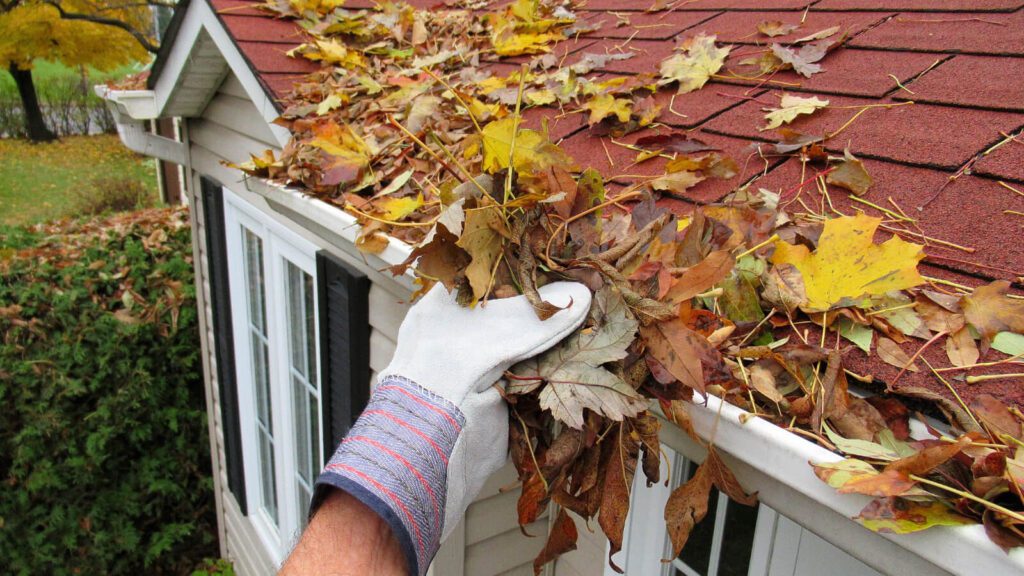
Clogged outdoor drains can turn an ordinary rainstorm into a drainage problem. When leaves, mud, sediment, and other debris block the path of water, runoff can collect around driveways, patios, parking lots, and buildings instead of draining away.
Clearing outdoor drains before the rainy season gives property owners a chance to address blockages while conditions are still dry and accessible.
Why Rainy Season Preparation Should Include Your Drains
Outdoor drains are designed to collect and redirect water away from areas where it could accumulate. Depending on the property, these systems may include driveway drains, patio drains, catch basins, yard drains, and underground stormwater pipes.
During dry weather, it’s easy to overlook these systems because they may not be carrying much water. However, debris can accumulate even when it isn’t raining.
Leaves fall into drain openings, landscaping work moves dirt into drainage channels, and sediment settles inside underground pipes. Over time, these materials can reduce the space available for water to pass through.
The first substantial rain may reveal a blockage that has been developing for months.
For properties throughout Ventura and Santa Barbara Counties, checking drainage systems before seasonal rainfall is a practical maintenance step. It allows homeowners, HOAs, and commercial property managers to identify problems before heavy runoff puts additional demand on the system.
What Can Happen When Outdoor Drains Are Clogged?
When water cannot enter or move through a drain properly, it follows another path. Depending on the property’s grading and drainage layout, that may mean collecting in low areas or moving toward structures.
Standing Water Around the Property
One of the earliest signs of a drainage problem is water that remains in the same area long after rainfall has stopped.
Standing water may develop around patios, walkways, driveways, and parking areas. If the problem continues, these areas can become inconvenient to use and may create slippery conditions.
Water Collecting Near Buildings
Outdoor drainage systems often help direct runoff away from building entrances and other vulnerable areas.
When a drain becomes blocked, water may collect near exterior walls, garage doors, or entryways. Depending on the property’s design, prolonged water accumulation can increase the risk of water entering spaces where it does not belong.
Erosion and Sediment Movement
Rainwater moving across exposed soil can carry dirt and sediment into drainage systems.
If runoff is not directed properly, it can also wash soil away from landscaping and other areas. This creates an ongoing problem because the displaced material may eventually collect inside another drain.
Disruptions for Commercial Properties
For HOAs, apartment communities, retail centers, and other commercial properties, poor drainage can affect shared walkways, parking areas, and access points.
A drainage problem that begins in one section of a property may inconvenience multiple residents, tenants, or customers.
The National Weather Service’s flood preparedness guidance recommends preparing properties before flooding occurs rather than waiting until water is already accumulating.
How Can You Tell If Your Drains Need Clearing?
Outdoor drains do not always become completely blocked at once. Many drainage problems develop gradually as debris builds up.
Property owners should pay attention to how water behaves during light rainfall, routine outdoor cleaning, or landscape irrigation.
Common warning signs include:
- Water collecting around a drain opening instead of flowing into it
- Leaves, dirt, or debris covering a drainage grate
- Mud or sediment visible inside a catch basin
- Water taking longer than usual to drain
- Repeated puddles forming in the same location
- Overflow from an outdoor drain during moderate rainfall
- Drainage problems that return after surface debris is removed
A drain that appears clear at the surface may still contain buildup farther inside the pipe.
For example, removing leaves from a grate can improve water entry without addressing mud or sediment that has collected underground.
If water continues to drain slowly after visible debris is removed, the system may need a professional inspection.
What Should You Do Before the First Heavy Rain?
A seasonal drainage check does not have to be complicated. The goal is to identify accessible maintenance issues and determine whether deeper cleaning is needed.
Start by locating the outdoor drainage points around your property. These may be near the driveway, patio, garage, landscaped areas, or parking lot.
Next, check for visible debris and signs that water has been collecting around the openings.
A practical preparation checklist includes:
- Remove loose surface debris. Clear accessible leaves, branches, and litter from drain grates and surrounding areas.
- Check gutters and downspouts. Look for visible obstructions that could prevent roof runoff from draining properly.
- Inspect low areas. Identify places where water has previously collected after rainfall.
- Keep landscaping material away from drains. Avoid sweeping soil, leaves, and grass clippings toward drainage openings.
- Arrange an inspection for recurring problems. If water continues to pool or drains repeatedly clog, have the system evaluated before the next storm.
The U.S. Environmental Protection Agency’s stormwater guidance recommends keeping leaves, litter, and other debris out of gutters and storm drains. This helps protect drainage systems and reduces the amount of material carried into nearby waterways.
Do not attempt to enter underground drainage structures or remove heavy, secured covers. Those situations are better handled by trained professionals with appropriate equipment.
When Is Professional Drain Clearing Necessary?
Surface maintenance can help prevent debris from entering a drain, but it cannot always remove material that has already collected inside the piping.
Professional drain clearing may be needed when a blockage is located beyond the opening, when sediment has accumulated along a larger section of pipe, or when the same drainage problem continues to return.
The appropriate cleaning method depends on the type of drain, the material causing the blockage, and the condition of the pipe.
For some systems, mechanical drain cleaning may be sufficient. Other drainage lines may benefit from hydro jetting.
Hydro jetting uses pressurized water to loosen and flush accumulated material from inside suitable pipes. It can be useful for removing mud, sludge, sediment, and certain types of organic debris.
Before using high-pressure cleaning equipment, a professional should consider the pipe’s condition and the drainage system’s design. Damaged or deteriorated lines may require a different approach.
Armor Plumbing & Hydro Jetting offers professional drain cleaning services as part of its plumbing and hydro jetting work for residential and commercial properties.
Why Is It Better to Address Drainage Problems Before a Storm?
A blocked drain is often easier to investigate when the surrounding area is dry and water is not actively accumulating.
Before a storm, a plumber can assess the problem, determine whether cleaning is appropriate, and identify conditions that may require additional attention.
Once heavy rain begins, access may become more difficult. Standing water can conceal drain openings, and active runoff may make it unsafe to inspect certain areas.
Preventative maintenance also gives property managers time to coordinate service without having to work around flooded walkways, occupied parking areas, or urgent resident complaints.
For properties that have experienced repeated drainage problems, keeping records of where water collects and when drains were last serviced can help guide future maintenance decisions.
A seasonal inspection does not guarantee that flooding will never occur. Heavy rainfall, poor grading, and limitations in the drainage system can still create problems even when pipes are clear.
However, removing preventable obstructions helps the drainage system function as intended.
Frequently Asked Questions
Should outdoor drains be cleared before every rainy season?
Inspecting outdoor drains before the rainy season is a sensible maintenance practice, especially on properties with trees, exposed soil, or recurring drainage problems. Some systems may need professional cleaning, while others may only require removal of surface debris. The appropriate schedule depends on the property and its drainage history.
Can hydro jetting remove mud and debris from outdoor drains?
Yes. Hydro jetting can remove accumulated mud, sludge, sediment, and certain other obstructions from suitable outdoor drainage pipes. A professional should evaluate the system first to determine whether high-pressure water cleaning is appropriate.
What should I do if water still pools after clearing the drain opening?
If water continues to collect after visible debris is removed, there may be a blockage farther inside the pipe. Poor grading, damaged drainage lines, or insufficient drainage capacity may also contribute to the problem. A professional inspection can help identify the cause before additional cleaning or repairs are recommended.
Armor Plumbing & Hydro Jetting works with homeowners, businesses, and property managers throughout Ventura and Santa Barbara Counties on drain and sewer maintenance. If an outdoor drain has been slow, repeatedly blocked, or unable to carry runoff away from your property, contact Armor to discuss an inspection before the rainy season