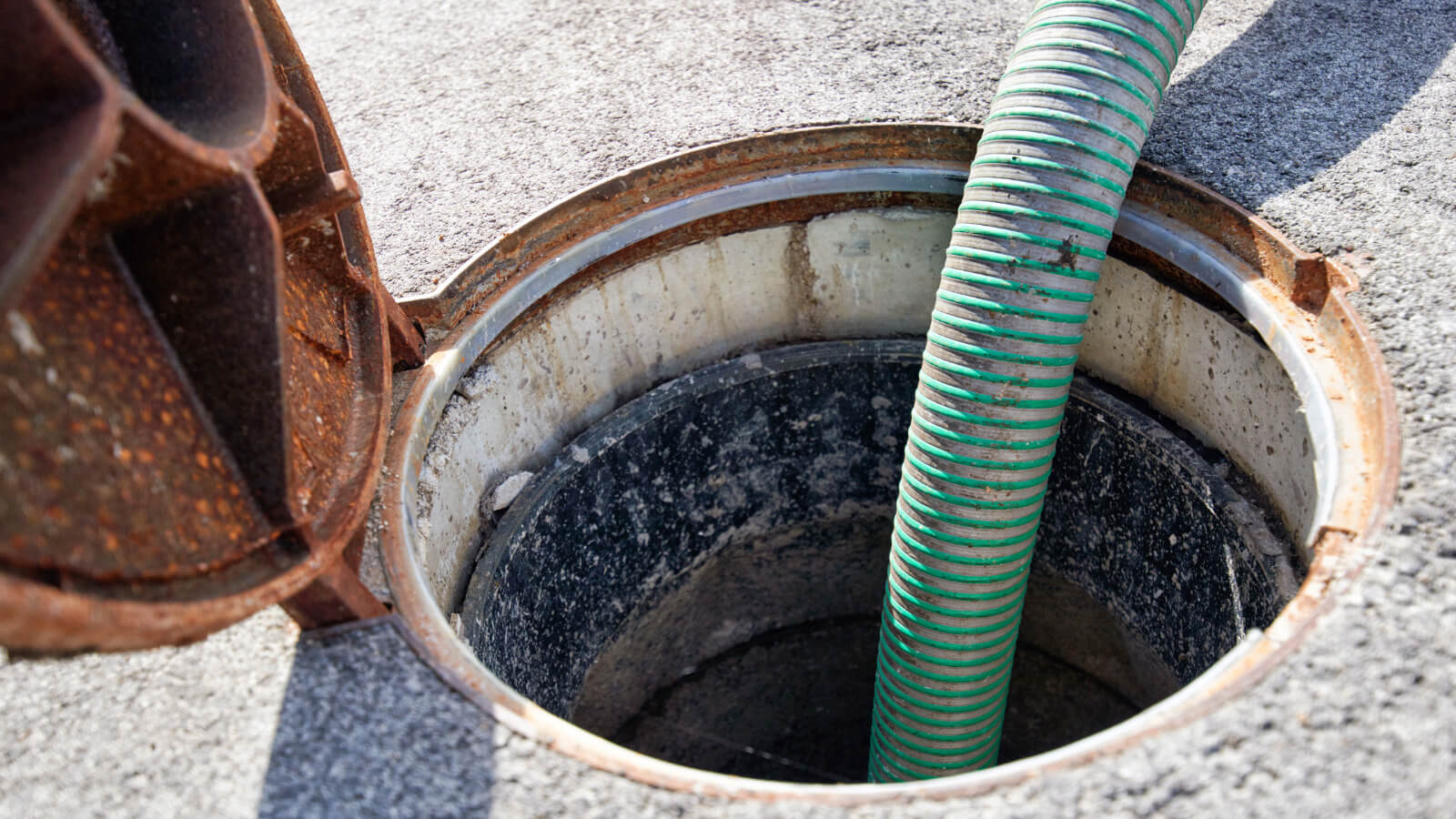
A sewer backup requires immediate attention, especially when wastewater begins overflowing into a home, business, or shared property. Sewage can contain harmful microorganisms and other contaminants, making it important to stop using affected plumbing fixtures, avoid contact with wastewater, and arrange professional assistance as soon as possible.
Depending on the source and severity of the problem, the blockage may need to be cleared right away so wastewater can drain and affected areas can be cleaned up.
Understanding what to do during the first few minutes can help property owners respond safely while professional help is arranged.
What Is Considered a Sewer Emergency?
Not every slow drain requires emergency service. However, certain plumbing problems should be addressed immediately because they involve active wastewater discharge, potential contamination, or damage to occupied spaces.
Common sewer emergencies include:
- Sewage backing up through toilets, showers, or floor drains
- Sewage odors or gurgling from drains throughout the property
- Sewage collecting in basements, garages, or utility areas
- Multiple plumbing fixtures backing up at the same time
- Wastewater flooding shared areas of an apartment complex or commercial property
- Sewage overflowing from an accessible cleanout or other sewer system opening
These situations can affect more than the plumbing system.
Wastewater may spread across flooring, enter wall cavities, damage stored materials, or reach areas used by residents, employees, and customers.
The longer sewage remains in an occupied space, the greater the potential for contamination and damage to affected materials.
If wastewater is actively entering a building, the situation should be treated as urgent.
What Should You Do Immediately After a Sewage Backup?
The first priority during a sewer emergency is personal safety.
Attempting to continue using the plumbing system or clean up large amounts of sewage without proper protection can make the situation worse.
1. Stop Using Water and Plumbing Fixtures
If sewage is backing up into your property, stop flushing toilets, running faucets, using showers, and operating water-using appliances.
Continuing to send wastewater into an obstructed sewer line may cause additional overflow.
For multi-unit properties, building managers may need to notify affected residents or tenants to temporarily stop using plumbing fixtures connected to the problem line.
Water use should not resume until the cause has been evaluated and it is safe to do so.
2. Keep People and Pets Away From Wastewater
Sewage may contain bacteria, viruses, and other contaminants.
Avoid walking through wastewater or touching affected surfaces without appropriate protective equipment.
Children and pets should be kept away from contaminated areas.
If wastewater has reached electrical outlets, appliances, or other electrical equipment, do not enter the affected area until it has been assessed for electrical hazards.
3. Identify Whether the Problem Is Isolated or Widespread
If it is safe to observe, determine whether the backup is affecting one fixture or multiple locations.
A single overflowing toilet may indicate a localized obstruction.
However, wastewater backing up through several drains may suggest a problem in a shared drain or main sewer line.
This information can help a plumbing professional understand the situation before arriving.
Avoid opening sewer cleanouts or removing drain covers when wastewater is under pressure, as sewage may discharge unexpectedly.
4. Contact a Plumbing Professional Immediately
Active sewage backups and overflows should be reported promptly.
Explain where wastewater is appearing, whether the overflow is continuing, and which plumbing fixtures are affected.
If you know where the sewer cleanout is or when the line was last cleaned, share that as well.
A professional can determine whether the situation requires drain cleaning, hydro jetting, a sewer camera inspection, or another response.
5. Document the Damage When Safe
Property owners and managers may need photographs and written records for maintenance documentation or insurance purposes.
Only document affected areas when doing so does not expose you to wastewater or electrical hazards.
Avoid entering contaminated areas simply to take photographs.
When Is Emergency Sewer Cleaning Needed?
A backup that keeps coming back, sewage rising in more than one fixture, or water that will not drain at all usually means the main sewer line is blocked. That calls for professional drain and sewer service: a camera to find the cause, then hydro jetting or a repair to clear it. Armor Plumbing & Hydro Jetting handles sewer backups across Ventura and Santa Barbara Counties. Call (805) 232-8380.