
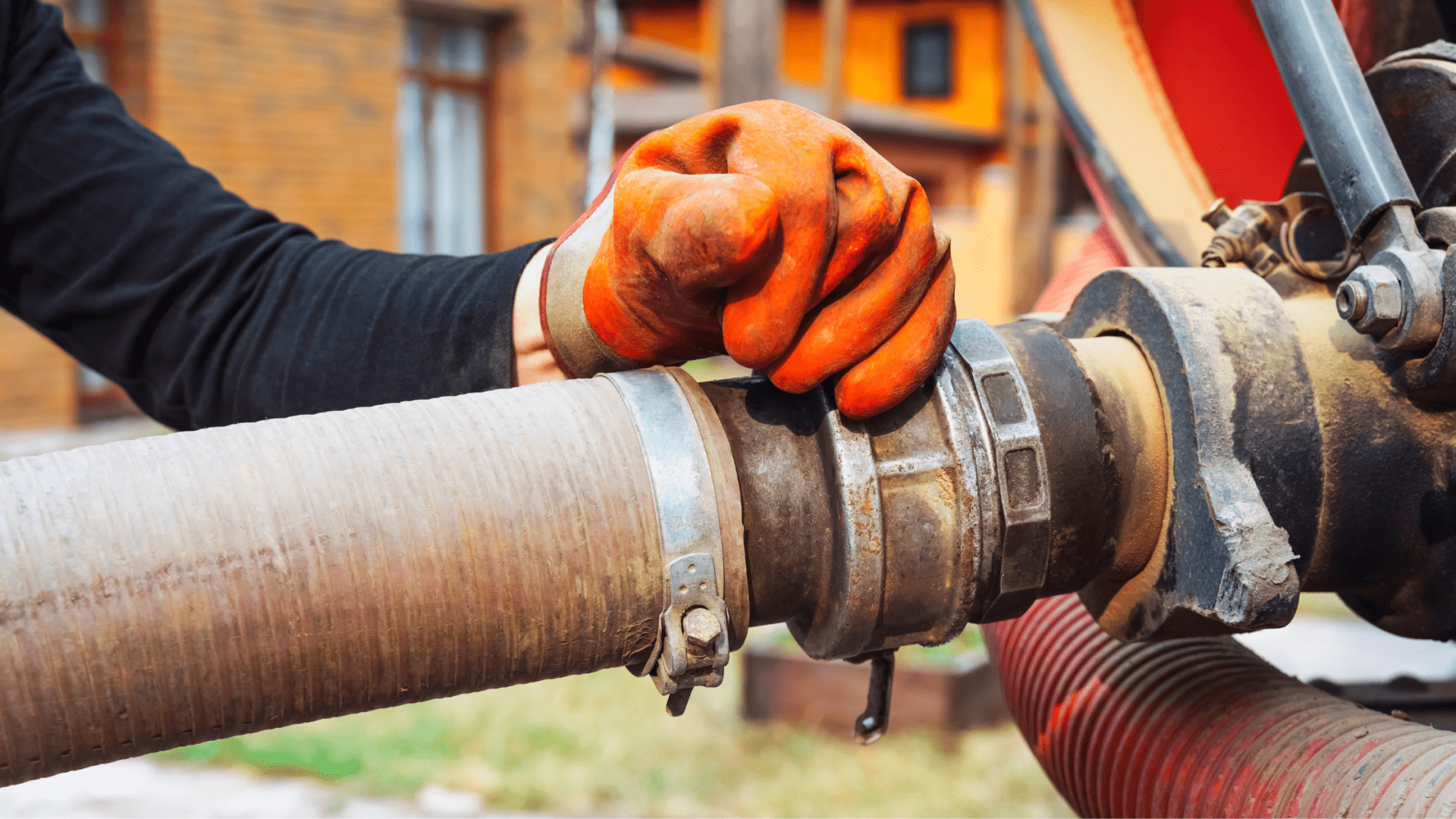
Homes located near the ocean enjoy beautiful views and refreshing coastal air, but they also face unique maintenance challenges—especially when it comes to plumbing. One of the most common issues affecting coastal properties is saltwater corrosion plumbing damage, which can gradually weaken pipes, fixtures, and water heaters over time. Salt particles carried in ocean air and moisture can accelerate corrosion in metal plumbing components, leading to leaks, reduced efficiency, and costly repairs if left untreated.
For homeowners in coastal communities, understanding how saltwater corrosion affects plumbing systems is essential. By recognizing the causes and warning signs early, property owners can take proactive steps to protect their plumbing and extend the lifespan of their pipes and fixtures.
How Salt Air and Saltwater Affect Your Plumbing
Coastal environments expose plumbing systems to conditions that are very different from those found inland. Salt particles from ocean spray and humid sea air can settle on plumbing materials, gradually breaking down protective coatings and accelerating chemical reactions that cause corrosion.
Over time, these reactions weaken metal surfaces and create rust or mineral buildup. Pipes, water heaters, valves, and outdoor plumbing fixtures are particularly vulnerable because they are constantly exposed to moisture and salty air. Even plumbing systems located indoors can be affected, since salt particles can travel through ventilation and settle on plumbing components.
Understanding how these environmental factors interact with plumbing materials helps explain why corrosion tends to occur more quickly in coastal homes.
The Science Behind Saltwater Corrosion
Saltwater corrosion occurs when salt and moisture combine with metal surfaces and trigger an electrochemical reaction. Salt acts as an electrolyte, which means it allows electrical currents to flow between metal surfaces and water molecules. This process speeds up oxidation, a reaction that causes metal to break down and form rust or other corrosion byproducts.
When oxidation occurs repeatedly over time, the metal gradually weakens. Small pits and cracks can develop in pipes and fixtures, eventually leading to leaks or structural damage. Because coastal environments contain higher levels of airborne salt particles, this corrosion process tends to occur faster than in non-coastal regions.
Humidity also plays a major role. Moisture in the air provides the water needed for corrosion reactions to occur. When humidity and salt exposure combine, plumbing materials can deteriorate much more rapidly than expected.
Which Pipe Materials Are Most Vulnerable
Not all plumbing materials react the same way to salt exposure. Some materials are more resistant to corrosion, while others are more likely to deteriorate in coastal environments.
Metal pipes are generally the most vulnerable. Copper pipes, while durable, can develop pitting corrosion when exposed to salt-laden moisture over long periods. Galvanized steel pipes are even more susceptible because their protective coating can break down, allowing rust to spread through the pipe.
Brass fixtures and fittings can also corrode when salt exposure weakens the metal composition. This may lead to leaks or reduced water pressure as the material deteriorates.
Plastic plumbing materials such as PEX and PVC are typically more resistant to salt corrosion because they do not oxidize like metal. However, metal connectors and fittings used with these systems can still experience corrosion if they are exposed to salty air. In older coastal homes where corrosion has spread throughout the plumbing system, whole home repiping may be recommended to replace aging or deteriorating pipes.
What Saltwater Corrosion Damages in Your Home
Saltwater corrosion can affect several parts of your plumbing system. While the damage may start gradually, it can eventually compromise multiple components within your home.
Pipes and Supply Lines
Pipes and supply lines are the most critical parts of any plumbing system, and corrosion can significantly weaken them over time. When corrosion develops inside pipes, it can create rough surfaces that restrict water flow and reduce water pressure.
As corrosion continues to spread, tiny holes or cracks may form, allowing water to leak. Even small leaks can lead to water damage, mold growth, and increased utility bills. In many cases, professional pipe repair services can fix damaged sections before the problem spreads throughout the plumbing system.
Water Heaters and Fixtures
Water heaters are particularly vulnerable to corrosion in coastal environments. The metal components inside the tank can deteriorate faster when exposed to minerals, salt particles, and moisture. Professional water heater services can help detect corrosion early and extend the lifespan of the unit through maintenance or repairs.
Plumbing fixtures such as faucets, valves, and showerheads can also suffer from corrosion. Salt exposure may cause discoloration, rust stains, and gradual deterioration of the metal. These issues not only affect the appearance of fixtures but can also lead to leaks or operational problems.
Outdoor Faucets and Hose Bibs
Outdoor plumbing fixtures are especially exposed to salty air and ocean moisture. Hose bibs, outdoor faucets, and irrigation connections can corrode more quickly because they are constantly exposed to the coastal environment.
Corrosion in outdoor plumbing components can cause valves to stick, leaks to develop, or fixtures to break entirely. Because these components are used frequently for gardening, cleaning, and irrigation, corrosion can create inconvenient plumbing problems for homeowners.
Warning Signs of Corrosion in Coastal Homes
Saltwater corrosion does not always cause immediate damage, but there are several warning signs that homeowners should watch for. Recognizing these early indicators can help prevent larger plumbing issues.
Common signs of corrosion include visible rust or discoloration on pipes, fittings, or fixtures. Homeowners may also notice reduced water pressure, which can occur when corrosion buildup narrows the interior of pipes.
Leaks around pipe joints, valves, or fixtures may indicate that corrosion has weakened the metal. In some cases, water may develop a metallic taste or discoloration due to corrosion inside supply lines.
Unusual noises coming from pipes or water heaters can also suggest internal corrosion or mineral buildup. If these signs appear, it is important to address the issue quickly to prevent further damage.
How to Protect Your Coastal Home’s Plumbing
While coastal plumbing systems face unique environmental challenges, there are several steps homeowners can take to reduce the risk of corrosion and extend the life of their plumbing systems.
Preventative Maintenance Tips
Regular plumbing inspections are one of the most effective ways to detect early signs of corrosion. Professional plumbers can examine pipes, fixtures, and water heaters to identify potential problems before they develop into major repairs.
Homeowners can also take preventive steps such as rinsing outdoor plumbing fixtures with fresh water to remove salt buildup. Installing corrosion-resistant plumbing materials and protective coatings can also help reduce exposure to salt damage.
Maintaining water heaters through periodic flushing and servicing can help remove mineral buildup and extend the lifespan of the system. In some cases, installing sacrificial anode rods or protective liners can further reduce corrosion inside water heater tanks.
Routine maintenance helps ensure that plumbing systems remain efficient and reliable even in challenging coastal environments.
When to Call a Professional Plumber
If corrosion damage becomes noticeable, it is important to contact a professional plumber for an inspection. Plumbing professionals can identify the extent of corrosion and recommend the best repair or replacement solutions.
In some cases, replacing corroded pipes with more corrosion-resistant materials may be the best long-term solution. A professional plumber can also evaluate water heaters, valves, and fixtures to determine whether they should be repaired or replaced.
Early intervention can prevent corrosion from spreading and reduce the risk of major plumbing failures.
Coastal Plumbing Protection in Ventura and Santa Barbara Counties
Coastal communities in Ventura and Santa Barbara counties face many of the environmental conditions that contribute to saltwater corrosion plumbing problems. Ocean air, humidity, and salt exposure can accelerate corrosion in pipes and plumbing fixtures throughout these regions.
Homeowners in coastal areas can benefit from regular plumbing inspections and preventative maintenance to protect their plumbing systems from corrosion damage. By understanding how salt exposure affects plumbing materials and taking proactive steps to address potential issues, property owners can keep their plumbing systems working efficiently for years to come.
