
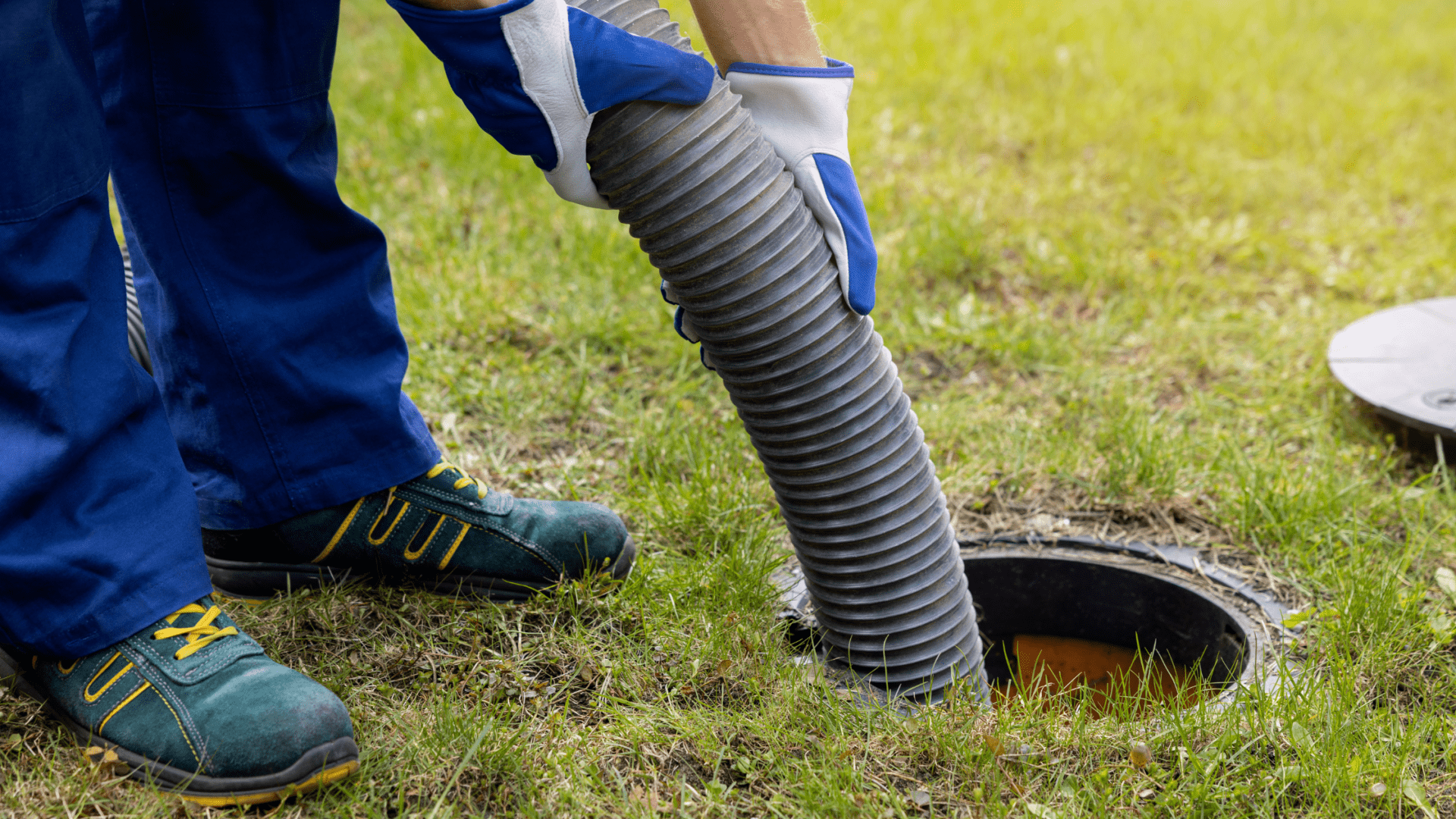
Many homes in Moorpark and Somis rely on septic tanks, holding tanks, or private wastewater systems instead of a municipal sewer connection. These systems work quietly in the background—until they don’t.
Routine septic pumping is one of the most important ways to protect your plumbing, prevent backups, and keep your system operating the way it should. The goal is simple: remove accumulated solids before they reduce capacity, strain the drain field, or create a messy (and expensive) emergency. (US EPA)
Why Septic Pumping Matters in Moorpark & Somis
A septic system separates solids and scum from wastewater, allowing clarified effluent to move into the drain field for final treatment. Over time, solids build up and the tank loses working capacity—making backups and drain field issues more likely. (US EPA)
In Ventura County, heavy rains and saturated soils can add stress to onsite systems. When the ground is saturated, wastewater can’t soak in normally—sometimes leading to slow drains, poor flushing, odors, or even overflow from floor/shower drains. (RMA Docs)
If your property sits in a lower-lying area or you’ve dealt with wet-season drainage issues before, proactive pumping and inspection are especially important.
How Often Should Septic Be Pumped?
How often should septic be pumped? Every 3–5 years typically for many households. The EPA also recommends regular inspections (often every 1–3 years) so you can base pumping on actual sludge/scum levels and system performance. (US EPA)
Your ideal schedule depends on factors like: (US EPA)
- Household size
- Total water use (laundry, long showers, frequent guests)
- Tank size
- Amount of solids entering the system (garbage disposal use can increase solids)
If you’re not sure when your tank was last serviced, it’s usually smarter (and cheaper) to inspect now than to wait for symptoms.
What Happens If You Delay Septic Pumping?
What happens if I delay? The risk of backups and damage increases.
When a tank isn’t pumped, solids can migrate and contribute to:
- Wastewater backups into tubs, showers, sinks, or floor drains
- Drain field clogging or failure (a costly problem compared to routine pumping)
- Odors around the tank or drain field area
- Slow drains and poor flushing throughout the home (US EPA)
Wet weather can make the situation worse. Ventura County guidance notes that saturated soils can prevent the system from functioning properly, and wastewater may rise to the surface or back up into the tank/home. (RMA Docs)
Is Septic Pumping Messy?
Is pumping messy? No—when it’s done cleanly by pros.
A professional sewer pump truck service is designed to remove wastewater safely and efficiently using sealed vacuum equipment. In a typical visit, a technician will:
- Locate and access the tank lid(s)
- Pump out liquids, sludge, and floating scum
- Check basic tank condition (and may note issues like baffles/tees, abnormal levels, or signs of overload)
- Help you understand when your next service should be scheduled (US EPA)
The work area is kept controlled and professional—especially when the right access points are available.
When Pumping Isn’t the Only Problem: Plumbing, Line Blockages, and Hydro Jetting
Sometimes a “full tank” isn’t the whole story.
If you still have slow drains or recurring backups after pumping, the issue may be:
- A clog in the building sewer line between the home and the tank
- Root intrusion in the line
- Heavy grease/sludge buildup restricting flow
- A drain field issue (especially during wet season)
That’s where professional plumbing diagnostics and, when appropriate, hydro jetting can help restore proper flow. Hydro jetting uses high-pressure water to clean interior pipe walls and remove stubborn buildup—but it should be selected and performed based on pipe condition and the specific problem.
Wet-Season Tip for Moorpark & Somis: What to Do During Saturated Conditions
During heavy rain events or flooding, public health guidance is clear: avoid contact with sewage-contaminated water and take steps to reduce system strain. (CDC)
Ventura County Environmental Health advises that if sewage backs up, do not continue discharging water from plumbing fixtures, and practice strict water conservation until conditions improve. (RMA Docs)
Frequently Asked Questions
How often should septic be pumped in Moorpark and Somis?
Most homes benefit from pumping every 3–5 years, but the best schedule depends on tank size, household size, water use, and solids accumulation. Regular inspections help confirm the right timing. (US EPA)
What happens if I delay septic pumping?
Delaying pumping increases the risk of backups, odors, slow drains, and potential drain field damage—which can be far more expensive than routine maintenance. (US EPA)
Is septic pumping messy?
Typically, no. Professional sewer pump truck service is designed to be controlled and sanitary, using sealed equipment to remove wastewater and solids cleanly.
What are signs my septic tank may be full?
Common warning signs include slow drains, poor flushing, gurgling, odors near the tank/drain field, and wastewater backing up into tubs or showers—especially during wet weather. (RMA Docs)
Should I stop using water before pumping or during a backup?
If you suspect a backup, reduce or stop water use to avoid adding more load to the system. Ventura County Environmental Health advises not to keep running fixtures if sewage is backing up into the home. (RMA Docs)
Schedule Septic Pumping in Moorpark & Somis
If your home relies on a septic or holding tank system, Armor Hydro Jetting provides dependable sewer pump truck services, plumbing support, and advanced solutions like hydro jetting across Moorpark, Somis, and surrounding Ventura County communities.
📞 Call (805) 232-8380
📧 Email armorhydrojetting@gmail.com
Protect your plumbing, avoid backups, and keep your septic system running strong—schedule service before small issues escalate.